Characteristics of Thai Kratom
Thai kratom varies by vein color, processing and the individual. Here is what customers commonly note:
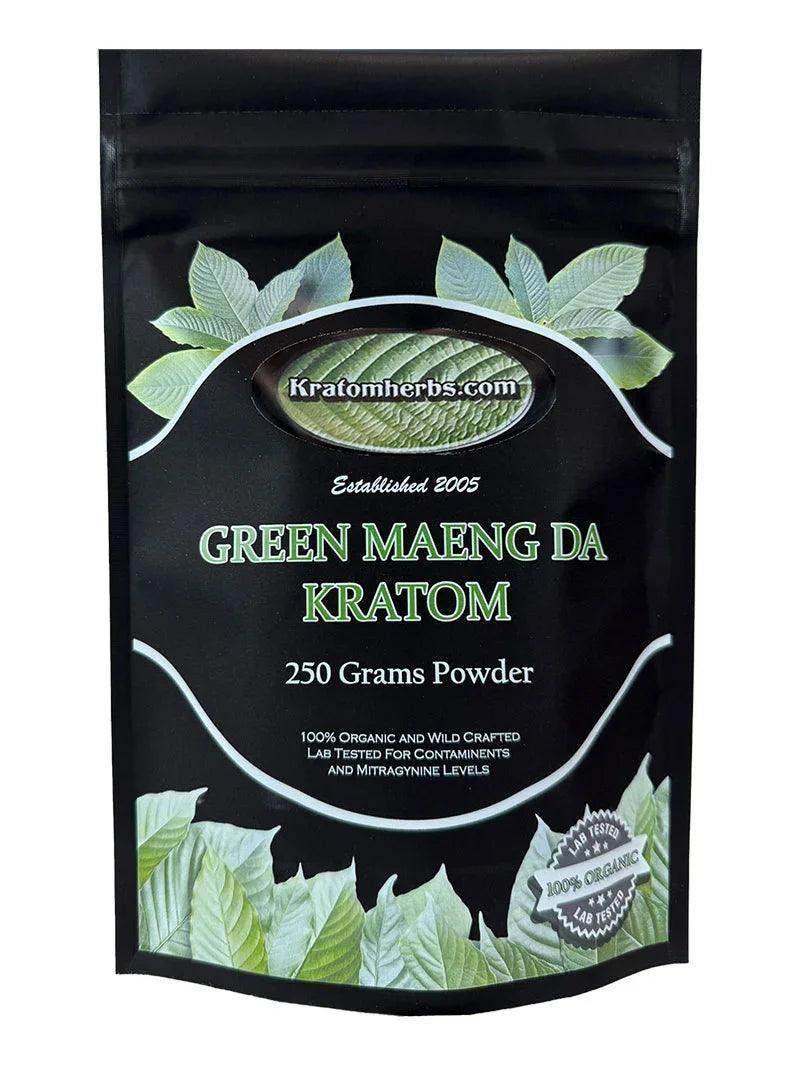
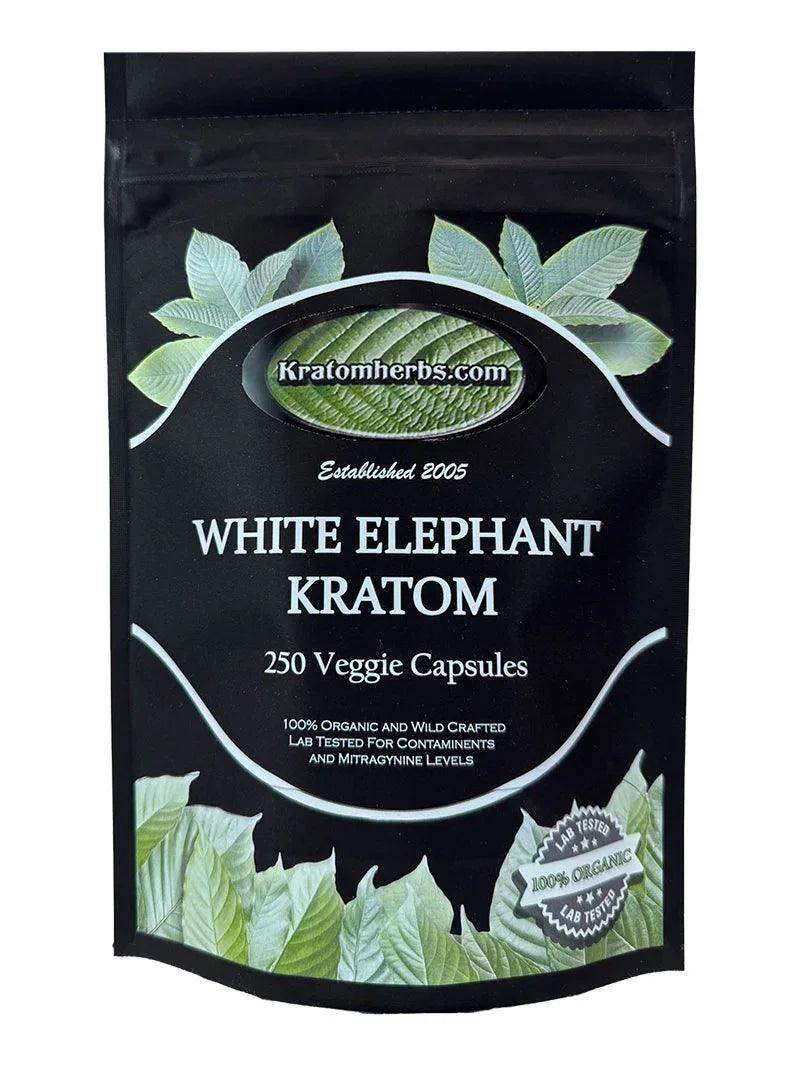
White and green Thai: often chosen for daytime.
Evening use: Red Thai kratom is a popular choice for winding down.
Red Thai: a traditional red strain, often chosen for the evening.
It's important to note that while many users report positive experiences with Thai Kratom, scientific research on its effects and long-term safety is still limited. More studies are needed to fully understand the potential benefits and risks associated with kratom use.
How to Use Thai Kratom
Thai Kratom can be consumed in various ways, with the most common methods being:
-
Powder form: Thai Kratom powder can be mixed with water or other beverages to create a tea-like drink.
-
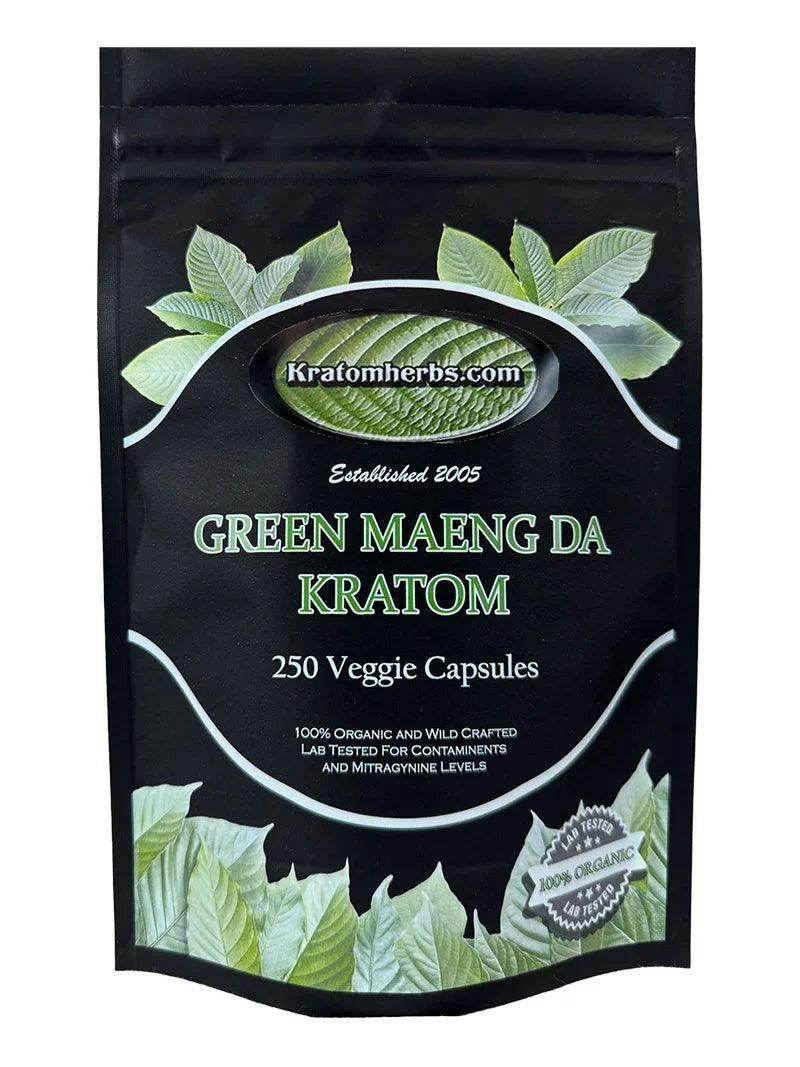
Capsules: Pre-measured capsules offer a convenient and tasteless way to consume kratom.
-
Toss and wash: Some users prefer to place the powder directly in their mouth and wash it down with water.
-
Tea: Kratom leaves or powder can be brewed into a tea, often with added sweeteners to mask the bitter taste.
Always follow the serving information printed on the product label, and do not exceed it.
Individual experiences vary. Taking regular breaks lowers the risk of building tolerance.
Potential Side Effects and Precautions
While many users report positive experiences with Thai Kratom, it's essential to be aware of potential side effects and take necessary precautions. Some possible side effects include:
To minimize the risk of side effects and ensure safe use, consider the following precautions:
Follow the serving information on the product label.
-
Avoid mixing kratom with other substances, especially alcohol or prescription medications.
-
Stay hydrated by drinking plenty of water when using kratom.
-
Take breaks from kratom use to prevent developing tolerance or dependence.
-
Purchase kratom from reputable sources to ensure quality and purity.
-
Consult with a healthcare professional before using kratom, especially if you have pre-existing health conditions or are taking medications.
Legal Status and Regulations
The legal status of kratom, including Thai Kratom, varies widely across different countries and even within regions of the same country. In the United States, kratom is currently legal at the federal level, but several states and cities have banned or regulated its use.
As of October 2026, kratom is banned statewide in 10 U.S. states: Alabama, Arkansas, Connecticut, Indiana, Kansas, Louisiana, Massachusetts, Tennessee, Vermont and Wisconsin. See our 2026 state-by-state kratom legal guide for details.
Additionally, some cities and counties within legal states have implemented local bans or regulations on kratom. It's crucial to research and understand the legal status of kratom in your area before purchasing or using it.
Internationally, the legal status of kratom is even more varied. For example:
Thailand, the original source of Thai kratom, removed kratom from its list of controlled narcotics in 2021 after decades of prohibition.
-
In the United Kingdom, kratom is legal but regulated as a psychoactive substance.
-
Australia and several European countries have banned or heavily regulated kratom.
Given the evolving nature of kratom regulations, it's essential to stay informed about current laws and any changes that may affect its legal status in your area.
Conclusion
Thai kratom comes in white, red and green varieties, so you can choose the type that suits your preferences.
Use Thai kratom with caution and responsibility. Follow the label, be aware of potential side effects, and buy from reputable sources. Stay informed about the legal status of kratom in your area.
As research on kratom continues, we will learn more about its effects and risks. In the meantime, customers should put safety first and make informed decisions.
Have you tried Thai kratom? Leave a review on the product page, and always put your health first.
White Thai Kratom


 Add to Cart
 Add to Cart
 Add to Cart
 Add to Cart
 Add to Cart
 Add to Cart
 Add to Cart
 Add to Cart
 Add to Cart